

Geofencing advertising is one of the most effective ways for local and regional businesses to reach customers at the right place and the right time. But while many companies try geofencing, far fewer do it well.
Here’s the truth:
Geofencing ads work best when your location strategy and your message work together.
In this guide, you’ll learn:
- Where geofencing ads perform best
- Basic geographic targeting examples
- Simple display ad content ideas
- Calls to action that drive real results
This is a practical, beginner-friendly breakdown of geofencing ads that actually convert.
What Makes a Geofencing Ad “Work”?
Successful geofencing campaigns usually have three things in common:
1. The location signals intent (people are already in a buying mindset)
2. The message matches the moment (your ad feels relevant)
3. The call to action is simple (clear next step)
When those three pieces align, geofencing can outperform many other digital channels in engagement and ROI.
Best Places to Run Geofencing Ads (With Examples)
Not every location is worth targeting. The best geofencing locations are places where people are actively making a decision.
1) Competitor Locations
One of the strongest uses of geofencing is targeting people who are inside (or just leaving) a competitor’s location.

Examples:
* Retail stores targeting shoppers at competing stores
* Gyms targeting people visiting other gyms
* Car dealerships targeting competitor lots
* Dentists and clinics targeting nearby providers
Why it works:
These customers are already in “shopping mode.” You’re not creating demand—you’re redirecting it.
Sample display ad copy:
“Thinking about switching? See why local customers are choosing us.”
Strong CTAs:
* Compare Options
* See the Difference
* Get a Better Deal
2) Neighborhoods and Residential Areas
For home services, healthcare, and many local businesses, where people live matters most. 
Examples:
* HVAC companies targeting single-family neighborhoods
* Roofers targeting areas hit by hail or storm damage
* Plumbers targeting older housing developments
* Medical offices targeting nearby zip codes
Why it works:
You reach people who are geographically relevant and likely to need your service.
Sample display ad copy:
“Serving your neighborhood. Fast, reliable help when you need it.”
Strong CTAs:
* Schedule Service
* Request a Quote
* Call a Local Expert
3) Shopping Centers and Big-Box Store Areas
Geofencing around major shopping destinations is powerful because people are already out spending money.
Examples:
* Malls and outlet centers
* Grocery shopping areas
* Home improvement stores
* Electronics and big-box retail zones
Why it works:
Shoppers are already in a knowing/choosing mindset—and you can influence where they go next.
Sample display ad copy:
“Before you check out—see what’s nearby.”
Strong CTAs:
* Shop Local
* Visit Today
* See Today’s Deals
4) Event Venues and High-Traffic Locations
Events create a short window of high attention and high movement.
Examples:
* Sporting events
* Concert venues
* Convention centers
* Festivals and fairs
Why it works:
Attendees are concentrated in one area and often looking for food, entertainment, shopping, or nearby experiences.
Sample display ad copy:
“Heading out after the event? We’re just minutes away.”
Strong CTAs:
* Stop In Tonight
* Find Us Nearby
* Open Late
5) Office Districts and Workplace Areas
Perfect for businesses that want lunch traffic, after-work customers, and predictable routines.

Examples:
* Office parks
* Downtown business centers
* Medical campuses
* Industrial parks
Why it works:
You catch people at consistent times during the day and week.
Sample display ad copy:
“Lunch break? Something better is right around the corner.”
* Order Now
* Quick Pickup
* Get Directions
What Geofencing Display Ads Should Look Like
Geofencing display ads work best when they’re simple and mobile-friendly. 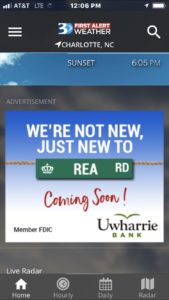
Best practices:
* One clear message
* One strong benefit
* One clear next step
* Minimal text
* Bold, easy-to-read design
* Location-aware wording (nearby, local, minutes away)
Most people will see your ad on a phone while they’re busy—clarity wins.
Basic Display Ad Content Ideas (Examples You Can Use)
Below are a few simple ad templates that perform well.
Local trust template:
“Trusted local service. Serving (Your City) today.”
Offer template:
“$25 off your first service. Limited-time local offer.”
Speed template:
“Same-day appointments available near you.”
Comparison template:
“Compare us before you buy. Better value, local service.”
Emergency template (great for home services):
“Need help now? Fast response in your area.”
Calls to Action That Work for Geofencing Ads
A good CTA should be simple and match what the customer wants to do next. 
High-performing CTAs:
* Get Directions
* Call Now
* Book Online
* Schedule Service
* View Offer
* Visit Today
* Shop Now
Avoid vague CTAs like “Learn More” unless it leads to a very specific and relevant landing page.
Why Many Geofencing Ads Fail
Most geofencing campaigns fail for predictable reasons:
* The geofence is too large
* The location doesn’t signal intent
* The ad message is generic
* There’s no retargeting after the visit
* Results aren’t measured properly
Geofencing isn’t just drawing a circle on a map. It’s understanding behavior, timing, and what motivates a decision.
Geofencing Ads That Work Are Intent-Based
The best geofencing ads don’t feel random—they feel relevant.
When you:
* choose smart geographic targets,
* match the message to the moment,
* and use a clear call to action,
geofencing becomes one of the most measurable and efficient tools in modern digital marketing.
If you want help building a geofencing strategy that drives real visits, calls, and revenue, Thumbvista can help.