

Why Data Is Becoming the Most Valuable Currency in Marketing;
In the last decade, digital advertising has transformed from simple banner buys to a highly sophisticated, data-driven ecosystem. Today, marketing data is the backbone of every major advertising decision—from who to target, to what message to deliver, to where ads should run, and how to measure results.
But the next 3–5 years will bring even bigger shifts. Privacy laws, AI, machine learning, identity changes, and the rise of new data types are forcing brands to rethink how they build audiences, optimize campaigns, and measure performance. In many ways, data has become the new competitive advantage.
Let’s look at how marketing data is evolving—and what the future of digital advertising will really look like.
1. First-Party Data Becomes the New Gold Standard

For decades, advertisers relied heavily on third-party cookies and broad demographic targeting. Those days are now disappearing.
- Google is projected to fully phase out third-party cookies (affecting over 70% of global internet users)
- 68% of consumers now say they’re concerned about how their data is used
- Over 40% of marketers say that losing third-party cookies is their biggest challenge
As a result, brands are doubling down on first-party data—the information they collect directly from customers:
- Email lists
- Website behavior
- Purchase history
- Mobile app usage
- Loyalty programs
- CRM data
- Customer surveys
This switch gives companies much more control and accuracy. Instead of buying audiences, brands are now building their own, and using AI to interpret them.
2. AI Is Becoming the Brain Behind Media Buying
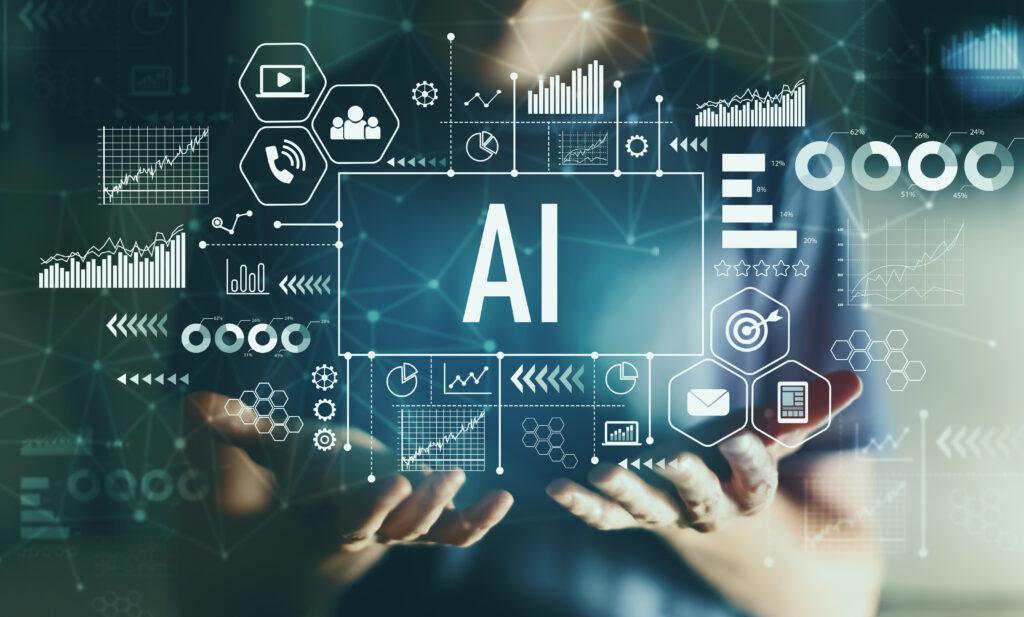
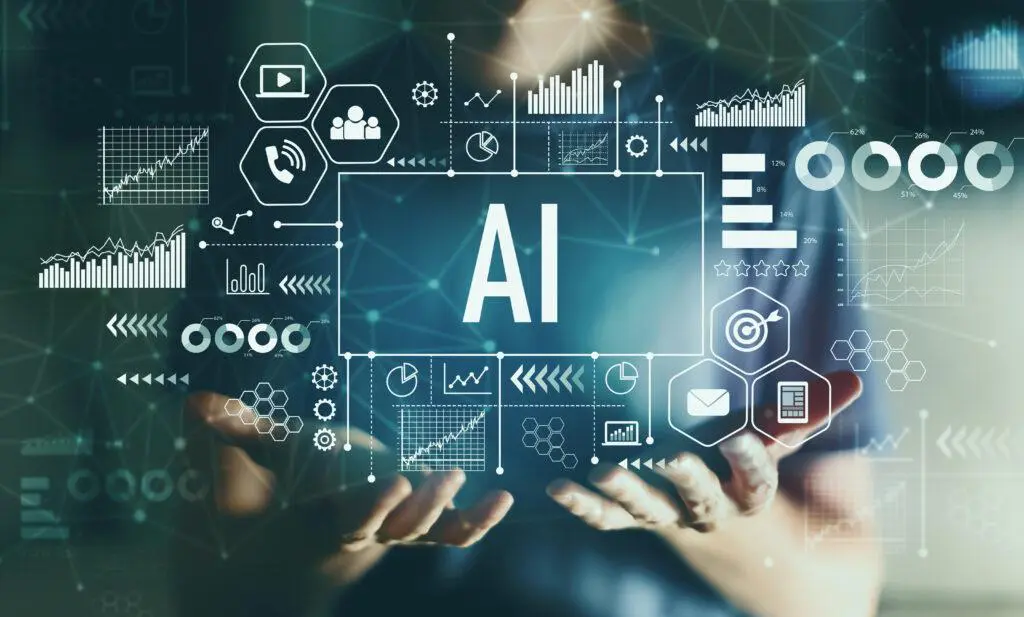
AI isn’t just a buzzword anymore—it’s quickly becoming the primary driver of modern advertising performance.
- Predictive audience modeling
- Ad creative generation
- Bid optimization
- Real-time campaign adjustments
- Dynamic creative rotation
- Attribution modeling
- Automated reports and insights
According to Statista, the global AI in marketing market will reach $107 billion by 2028.
The biggest shift?
AI now helps marketers understand why audiences behave the way they do, and what they’ll likely do next.
For example, AI can predict:
- Which customers are most likely to purchase again
- Which prospects are most likely to churn
- Where to allocate budget for maximum ROI
- What message will resonate with specific audience segments
This level of intelligence used to take entire teams of analysts. Today, AI can do it in seconds.
3. Zero-Party Data Creates More Personal Experiences
Zero-party data—information a customer voluntarily gives a brand—has exploded in popularity:
- Preference quizzes
- Personalization tools
- Email signup incentives
- Product recommendation engines
A recent HubSpot survey found that 73% of consumers prefer personalized shopping experiences, and zero-party data fuels that personalization without crossing privacy boundaries.
Unlike third-party data, zero-party data is:
- Transparent
- Permission-based
- Highly accurate
- Rich in intent
Expect to see more brands designing interactive experiences that trade value for information.
4. The Rise of Geoframing and Location Intelligence
Location data has always been useful, but today it’s becoming incredibly sophisticated.
Geofencing lets brands target devices based on real-time location.
Geoframing allows marketers to capture devices seen at a location in the past and re-target them later.
Location intelligence is driving:
- Retail foot-traffic analysis
- Competitor conquesting
- Event-based targeting
- Real-world attribution metrics
- More efficient media buys
- Better customer journey mapping
The future of marketing will blend:
- Behavioral data
- CRM data
- Location history
- Contextual signals
- Purchase intent
to create hyper-relevant advertising moments that feel more helpful than intrusive.
5. Identity Solutions Will Replace Cookies
As cookies disappear, brands are adopting ID-based solutions such as: 
- Unified ID 2.0
- RampID (LiveRamp)
- Hashed email identity
- First-party identity graphs
These systems allow marketers to:
- Build persistent user profiles
- Track cross-device behavior
- Measure performance more accurately
- Retarget audiences without cookies
The future will rely on privacy-safe identity frameworks, where consumers have more control, and advertisers depend on authenticated data, not device-level tracking.
6. Measurement Will Become More Transparent and More Accurate
Marketers are frustrated with measurement fragmentation.
According to Nielsen, 47% of marketers say measuring cross-channel ROI is their #1 challenge.
In the next few years, measurement will evolve into:
- Incrementality testing
- AI-powered multi-touch attribution
- Foot-traffic attribution
- Clean room analytics
- Offline + online conversion modeling
Expect to see brands shift away from vanity metrics (CTR, impressions) and toward:
- Cost per visit
- Lift in store foot traffic
- Cost per acquisition
- Lifetime value
- Predictive ROI
7. Ethical Data Use Will Become a Selling Point
Consumers are more aware of privacy than ever before:
- 84% say they want more control over their data
- 61% say brands that protect their data earn more trust
- 48% have stopped buying from a brand over privacy concerns
The future winners will be companies that:
- Collect only what they need
- Explain clearly how data is used
- Offer value in exchange for information
- Prioritize transparency
Data ethics is becoming a brand differentiator, not just a compliance box.
Conclusion: Data Is the Future — and the Future Is Already Here
Marketing is moving toward a world where:
- AI predicts behavior
- Data fuels personalization
- Privacy shapes strategy
- Identity replaces cookies
- Location intelligence connects digital and physical worlds
- Measurement becomes more accurate
- And brands build deeper customer relationships through trust
Companies that adapt now will outperform their competitors for years to come.
Advertising is no longer just creative—it’s mathematical, predictive, and deeply informed by data.
The brands who embrace these tools early will dominate the next era of digital marketing.