

When it comes to location-based advertising, two terms often confuse marketers: Geoframing and Geofencing. Both use geography to target audiences, but they work in very different ways — and the impact on campaign performance can be massive. If you’re trying to decide which strategy to use for your next digital campaign, this guide breaks down the differences in plain English.
Thumbvista has been helping brands use mobile location targeting for more than a decade, and we’ve seen firsthand how each method can dramatically change ROI depending on the use case.
What Is Geofencing? (The Classic Approach)
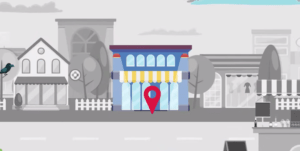
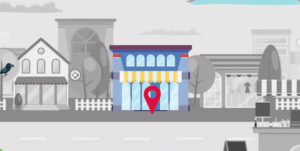
Geofencing is the most widely known form of location-based marketing. It creates a virtual boundary around a physical place, such as:
- A store
- A competitor location
- An event
- A neighborhood
- A restaurant
- A dealership
When a user enters the fence with a mobile device, advertisers can later show them ads across apps, websites, or social platforms.
What Geofencing Is Best At
- Real-time targeting
- Foot-traffic attribution
- Driving immediate visits
- Retargeting visitors after they leave
Example:
A QSR chain geofences all nearby office buildings from 10–2 PM. When workers visit the district, they later receive mobile ads promoting lunch deals.
Why Marketers Love It
- Very affordable
- Strong for “intent-based” audiences
- Easy to scale
- Simple to understand and explain
The Stats
- Location-based marketing boosts ad engagement by up to 2X, according to Factual.
- 70% of consumers say location-based ads are relevant, compared to 48% of non-location ads (eMarketer).
- Geofencing is one of the top five highest-ROI digital tactics for local business campaigns (Mobile Marketing Association).
What Is Geoframing? (Next-Generation Targeting)
Geoframing goes beyond a traditional fence. Instead of targeting devices currently in a location, geoframing allows advertisers to:
- Capture devices historically seen in a location
- Build audiences based on past visits
- Target users even after they leave the area
- Analyze device movement patterns across time
- Create audience lists tied to loyalty or behavior
With geoframing, the system identifies devices that were in a defined area at any point in the past — even months or years ago — and uses that data to create highly specific behavioral audiences.
It’s far more sophisticated when you need historical intent, not real-time presence.
What Geoframing Is Best At
- Build-alike visitor lists
- Competitive audience harvesting
- Long-term data analysis
- Customer loyalty modeling
- Predictive behavior patterns
Example:
A car dealership wants to target people who visited ANY competitor dealership in the last 12 months. Geoframing captures those past device visits and builds a retargeting pool for high-intent auto shoppers.
Why Marketers Love It
- Incredible accuracy for past intent
- Helps brands understand customer movement
- Perfect for retention + conquesting campaigns
- Ideal for businesses with longer buying cycles (auto, healthcare, finance, home services)
The Stats
- 91% of marketers see improved campaign performance using offline behavioral data, according to Think With Google.
- Location history data increases purchase likelihood by 3–5X, depending on vertical.
Geoframing vs. Geofencing: What’s the Real Difference?
Here’s the simplest breakdown:
| Feature | Geofencing | Geoframing |
|---|---|---|
| Targets users who… | Enter an area now | Were in an area previously |
| Good for… | Immediate visits, local offers | Behavioral audiences, long buying cycles |
| Use case | Real-time presence | Historical intent |
| Strength | Foot-traffic attribution | High-intent targeting |
| Weakness | Short window to capture | Requires deeper analysis |
| Verticals | QSR, retail, events | Auto, healthcare, finance, home services |
When to Use Geofencing
Use geofencing when you want:
- Same-day store visits
- High-frequency local exposure
- Real-time promotion
- Curbside pickup or in-store push
- Event-based targeting
Best Industries:
- Restaurants
- Retail
- Convenience stores
- Travel and Hospitality
- Local service businesses
- Events & entertainment
When to Use Geoframing
Use geoframing when:
- The buying cycle is long
- You need to understand past customer behavior
- You want to conquest competitor customers
- You want to build “lookback” audiences
- You want to target high-intent prospects
Best Industries:
- Automotive
- Financial services
- Healthcare
- Education
- Real estate
- Home improvement
How Thumbvista Helps Brands Use Both — Better
As one of the longest-running mobile marketing agencies specializing in location-based advertising, Thumbvista helps clients:
- Build custom geofencing and geoframing strategies
- Provide transparent reporting
- Measure foot-traffic lift
- Create multi-tactic audience stacks
- Deliver optimized programmatic buys
- Combine CRM data + location data
- Make campaigns more measurable and more accountable
With over a decade of geolocation experience, we know how to use both strategies to maximize ROI — without overcomplicating the process.
Final Thoughts: Use the Right Tool for the Right Job
Both geofencing and geoframing are powerful, but they’re not interchangeable.
Think of geofencing as real-time intent, while geoframing is historical behavior intelligence.
Use the right one at the right time, and your campaign performance can jump dramatically — especially with the right partner guiding the strategy.
Ready to Add Geofencing or Geoframing to Your Marketing?
Thumbvista can help you:
- Build custom location audiences
- Improve ad targeting
- Understand shopper behavior
- Increase conversion rates
- Measure foot-traffic lift
- Drive real business outcomes
Contact Thumbvista today to see how our programmatic and location-based solutions can help grow your business.